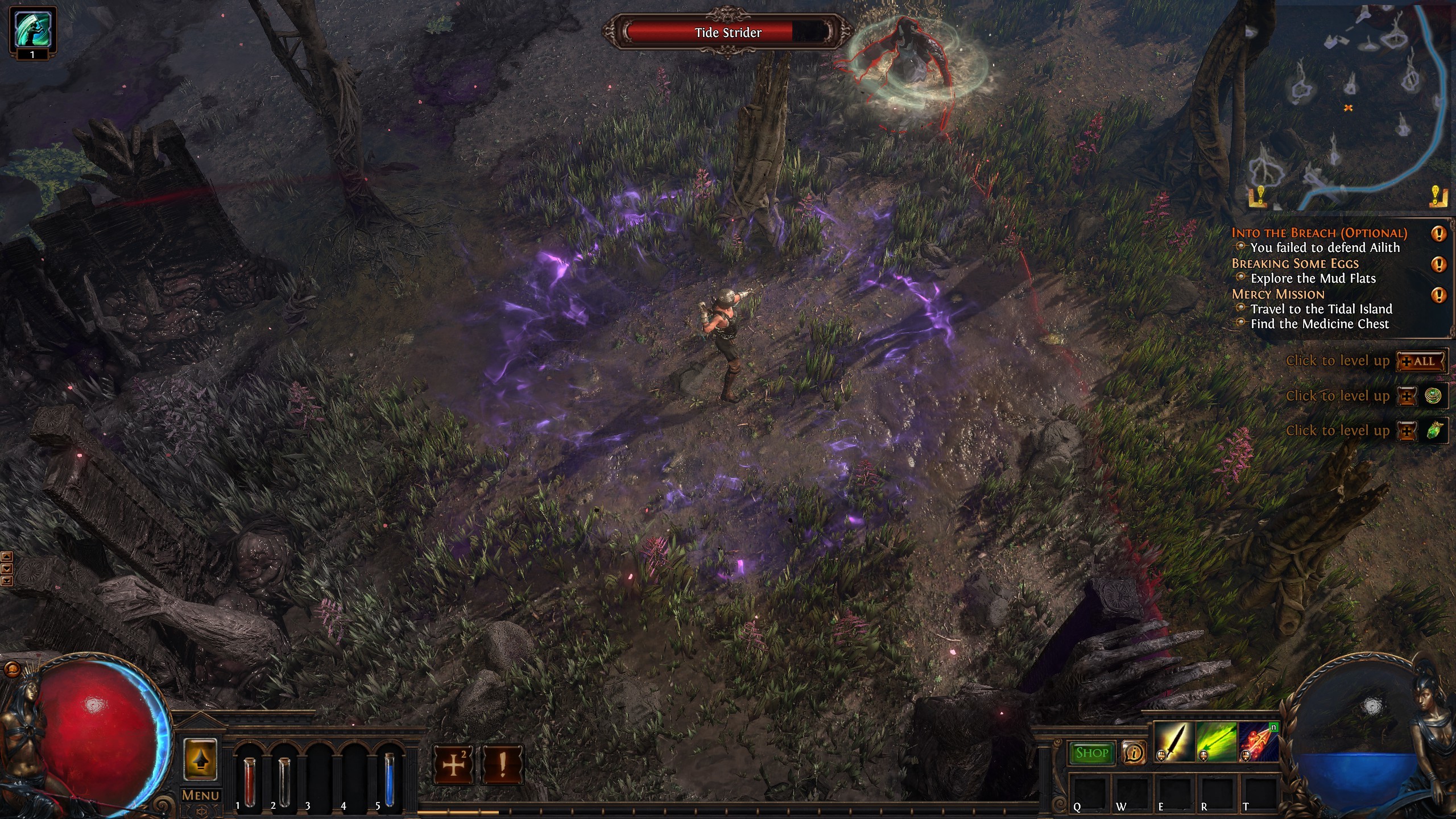
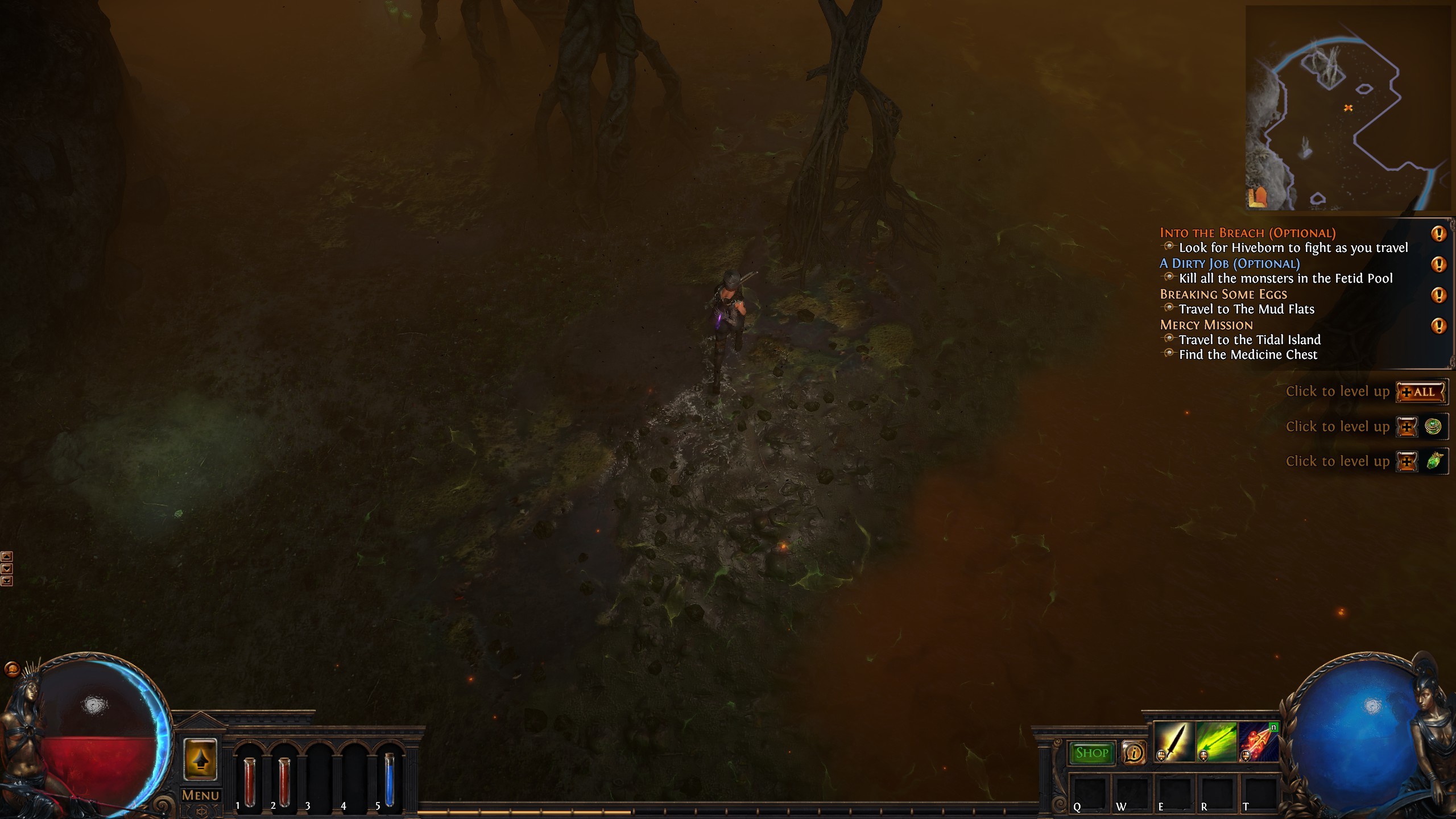
Mapping has long served as the backbone of endgame progression, emphasizing speed, efficiency, and repetition. Its sequel reimagines this foundation by questioning what mapping is meant to achieve.
Rather than acting purely as a reward engine, mapping in Path of Exile Two appears designed as a space for controlled challenge and intentional engagement. This philosophical shift reframes maps from disposable content into meaningful encounters, altering how players approach pacing, risk, and mastery.
Original Mapping as an Efficiency Test
In the original game, mapping philosophy evolved around throughput. Players optimized routes, builds, and strategies to maximize clears per hour. Maps became interchangeable canvases for speed, where survival was secondary to efficiency.
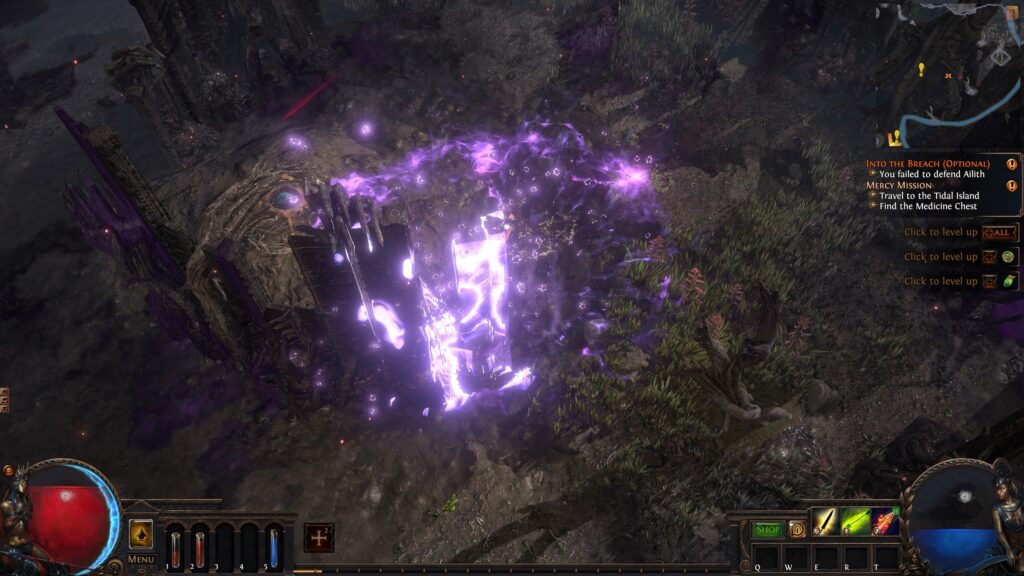
This design encouraged aggressive scaling and minimized friction, allowing skilled players to bypass mechanics through power. While satisfying, this approach narrowed the definition of success, favoring output over understanding and reducing variety in viable playstyles.
Mapping in the Sequel as a Deliberate Experience
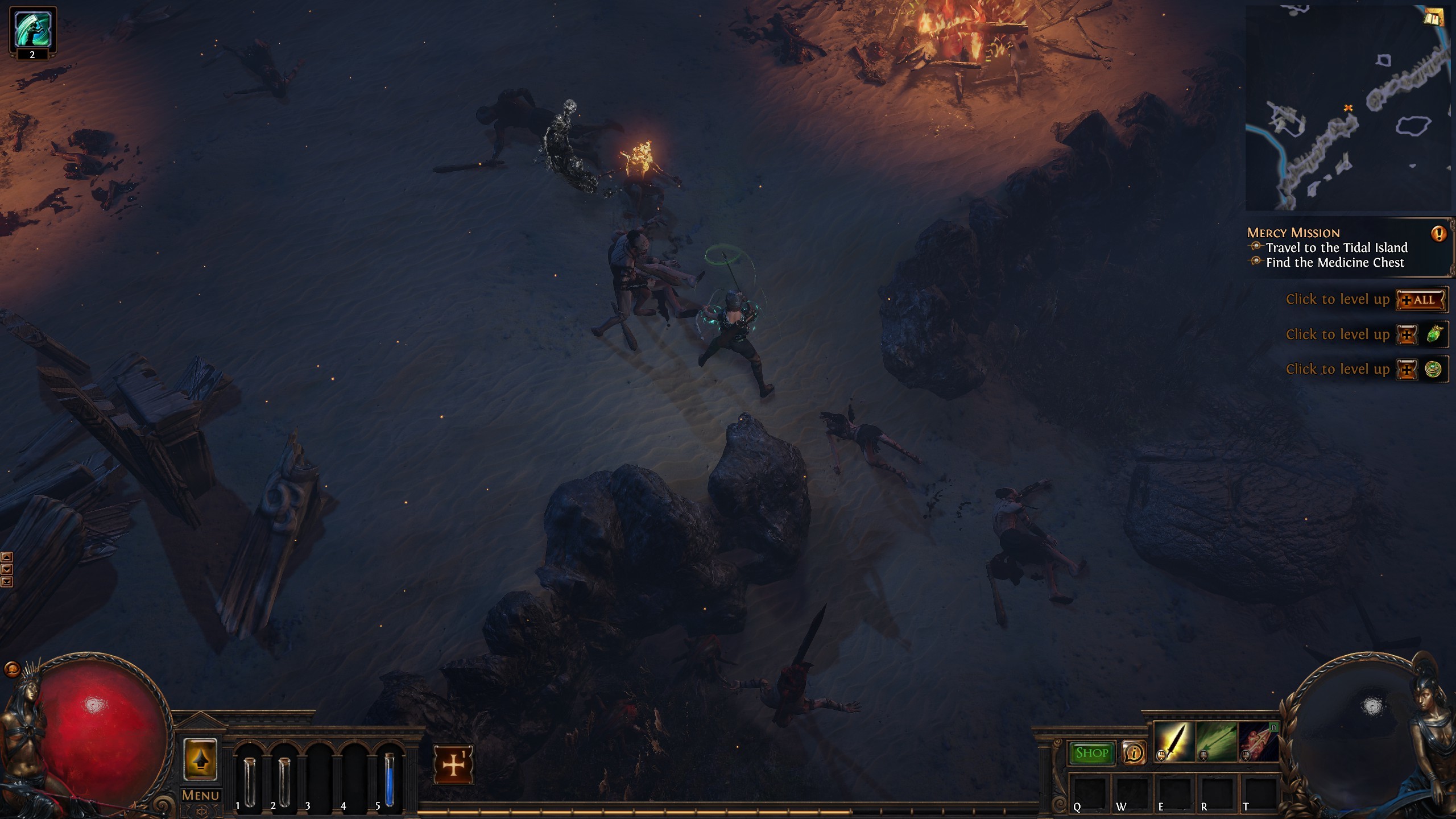
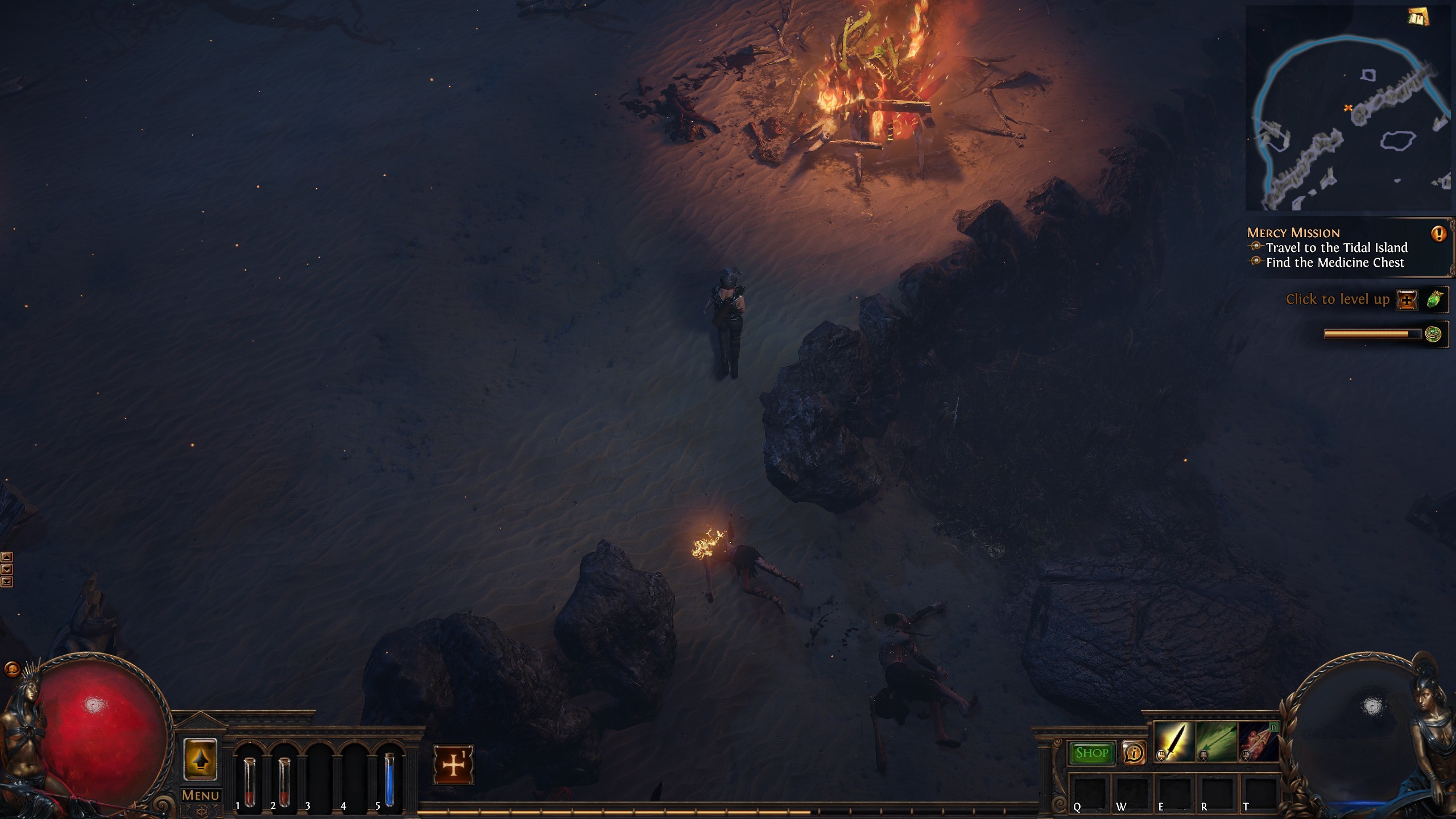
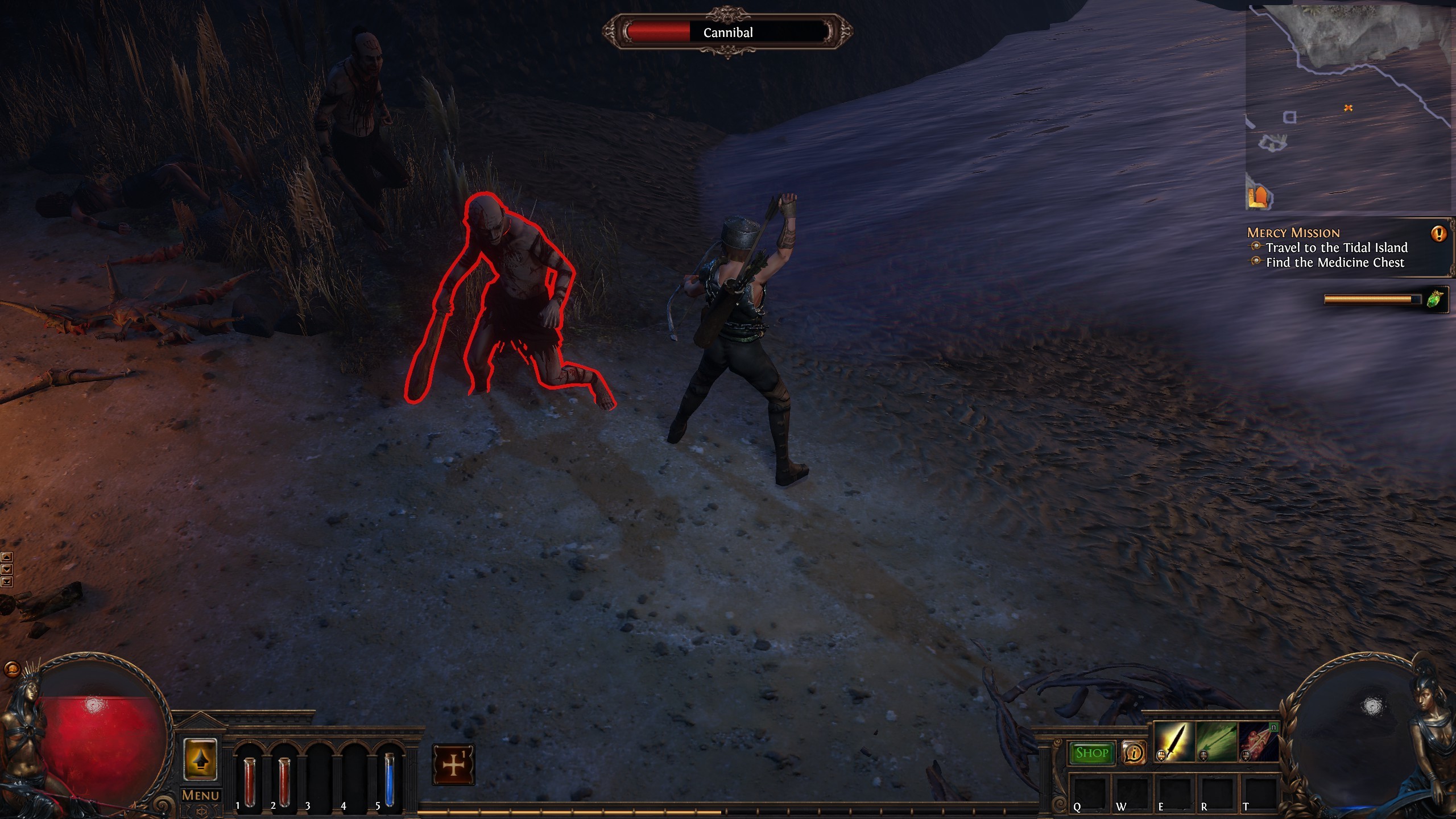
Path of Exile Two reframes mapping as a deliberate experience that rewards attention and control. Encounters unfold with greater emphasis on spatial awareness, enemy behavior, and environmental interaction. Rather than racing through content, players are encouraged to engage thoughtfully, reading threats and responding with intention. This shift does not remove challenge; it redistributes it. Difficulty arises from decision-making rather than speed alone, aligning mapping with the game’s broader combat philosophy.
Pacing Redefining Success Metrics
The change in mapping philosophy alters how success is measured. Instead of clears per hour, success becomes tied to consistency, survival, and control. Players are rewarded for completing content cleanly rather than quickly.
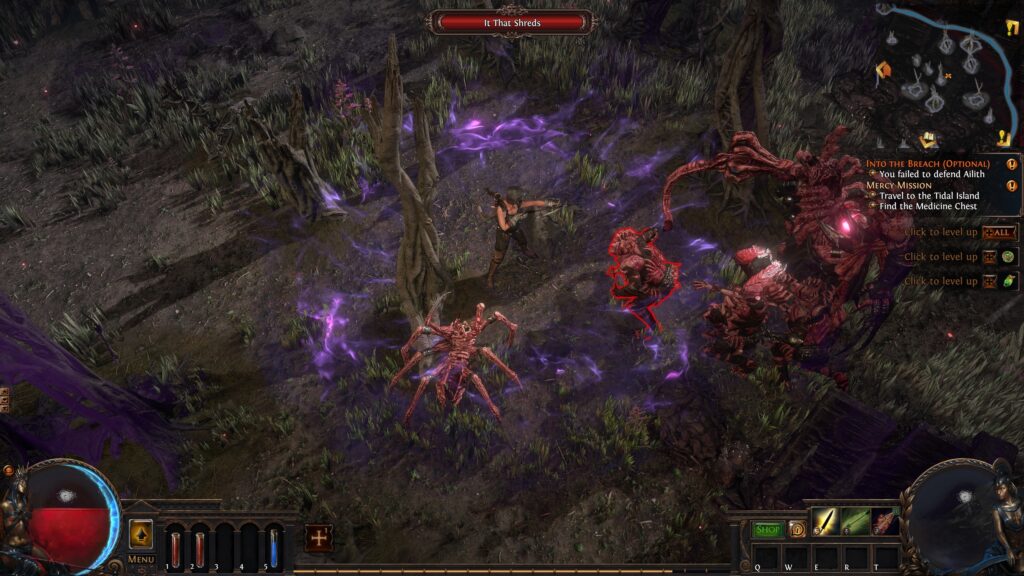
This pacing reduces burnout and supports longer play sessions without fatigue. Mapping becomes less transactional and more experiential, encouraging players to remain present rather than rushing toward the next reward.
Philosophical Differences in Mapping Design
The contrast between the two approaches becomes clear when examining their core priorities.
| Aspect | Path of Exile | Path of Exile Two |
|---|---|---|
| Primary goal | Maximum efficiency | Intentional engagement |
| Pacing | Fast and aggressive | Measured and controlled |
| Skill emphasis | Output optimization | Positioning and awareness |
These differences highlight a fundamental redefinition of what mapping is meant to provide.
Long-Term Impact on Player Behavior
This philosophical shift encourages healthier long-term play habits. Players invest more thought into preparation, positioning, and build balance. Mapping becomes a space for learning rather than grinding, reducing frustration and fatigue.
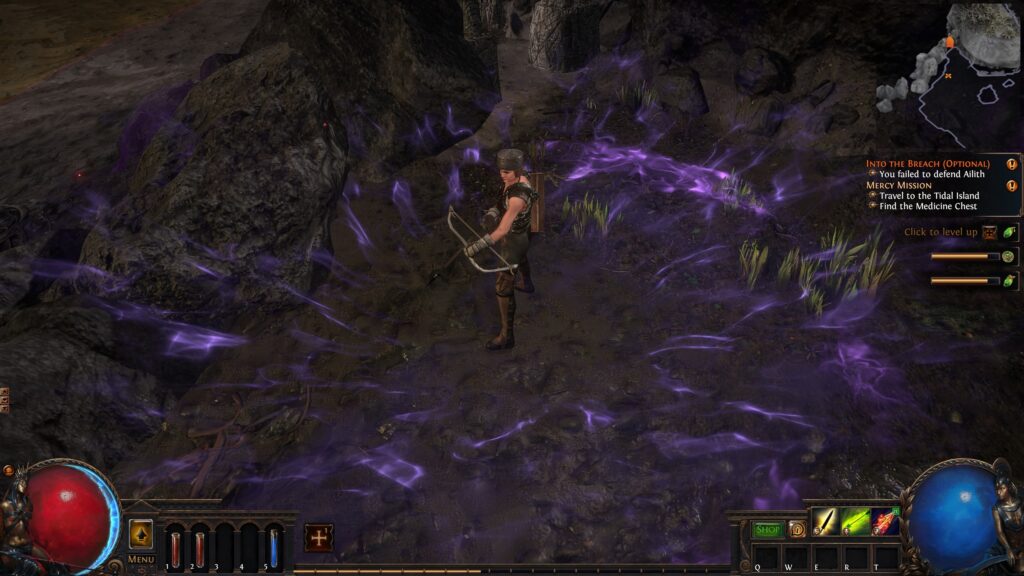
Over time, this approach fosters deeper mastery and more varied engagement, supporting the game’s longevity.
Conclusion
Mapping philosophy differences between Path of Exile and its sequel reflect a broader evolution in design priorities.
By moving from efficiency-driven repetition toward intentional engagement, Path of Exile Two redefines mapping as a meaningful component of mastery. This change signals a future where understanding matters as much as output.