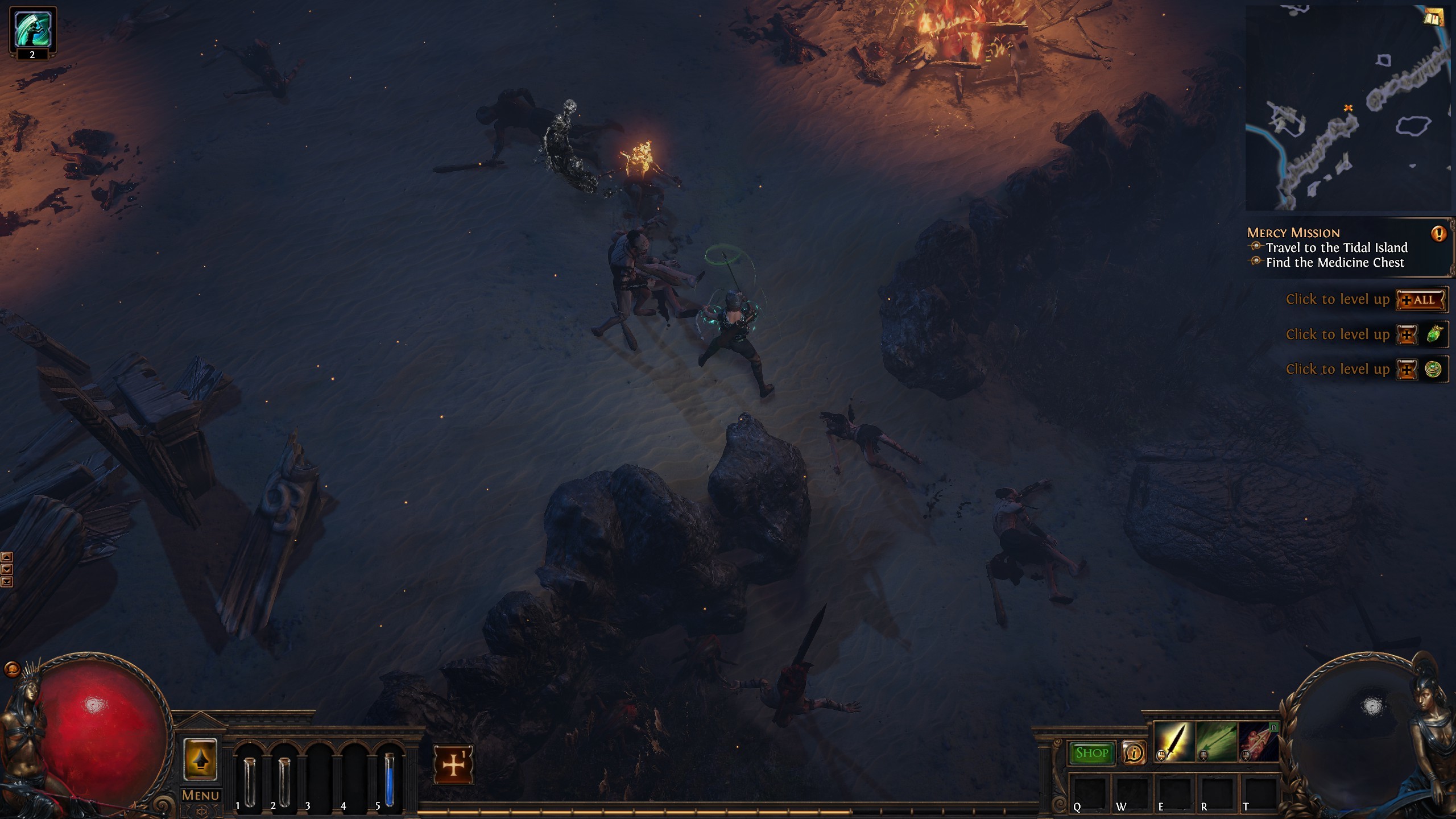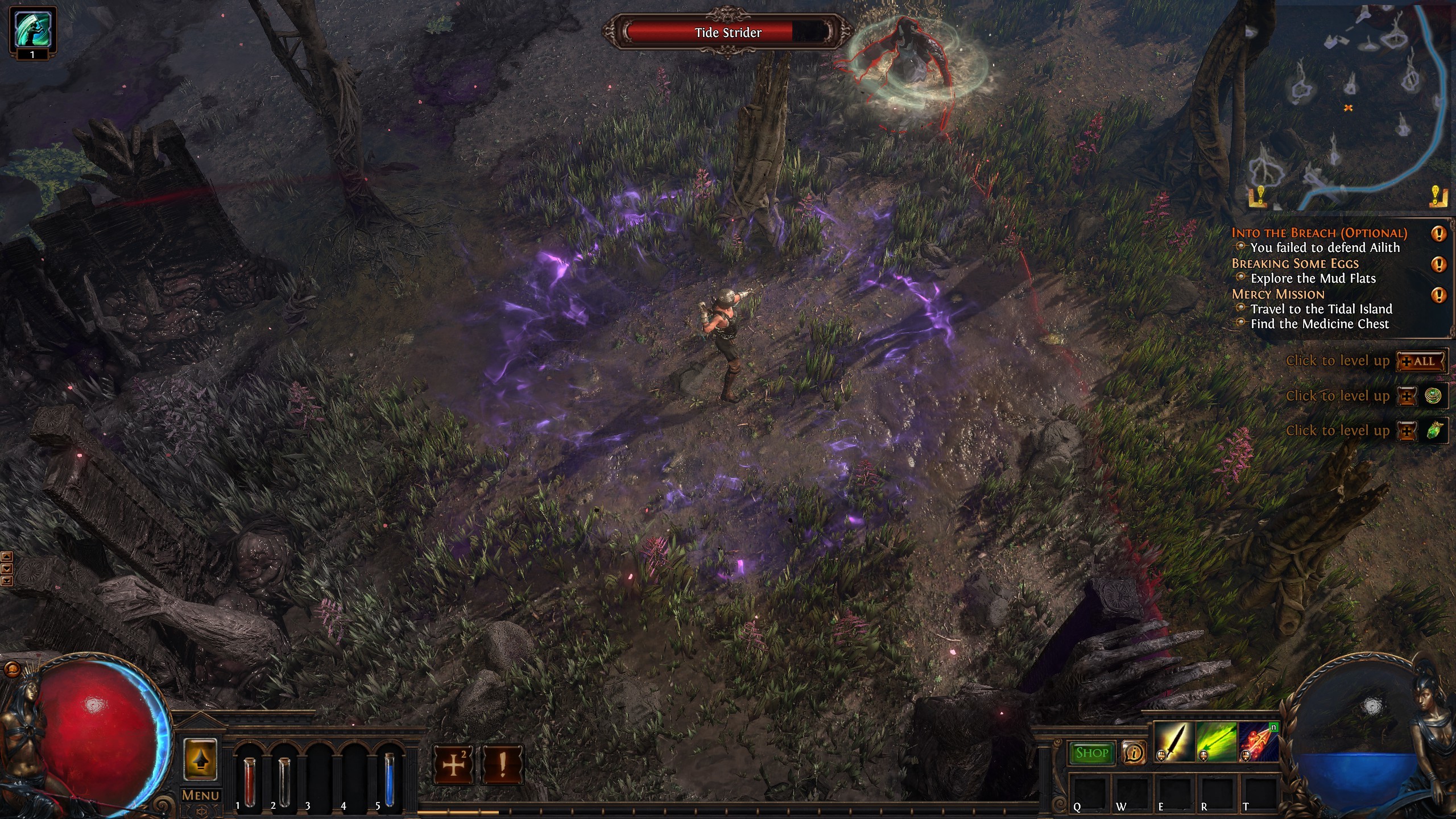
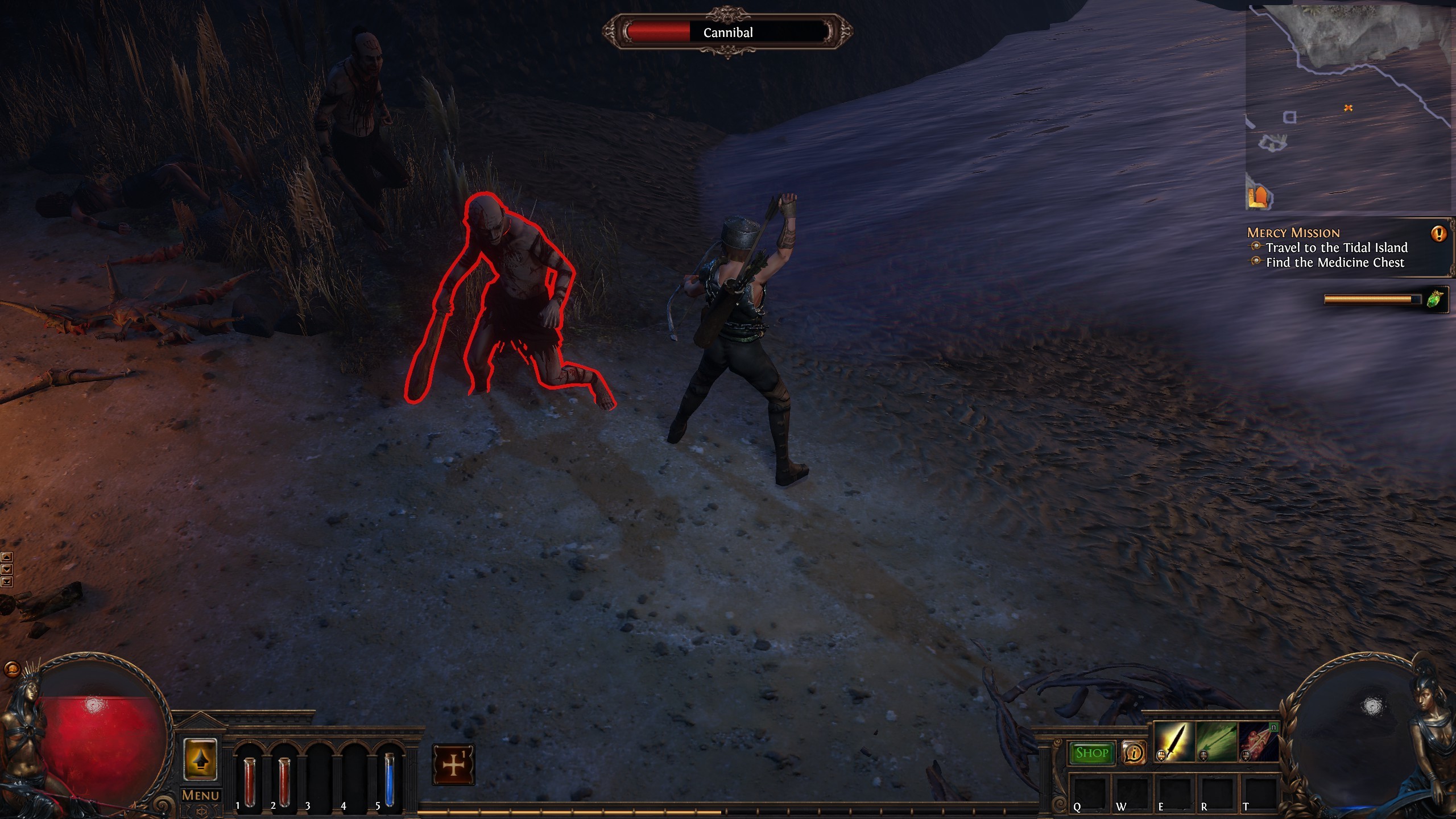
The arrival of PoE marks a clear break from long-established build planning habits. Systems that once defined efficiency, progression, and power are being reshaped, forcing players to relearn fundamentals they once considered universal.
This shift is not incremental; it requires approaching build planning from scratch rather than adapting existing templates. For veteran players especially, the challenge is psychological as much as mechanical. Familiar shortcuts no longer apply, and success depends on curiosity, experimentation, and a willingness to abandon certainty in favor of understanding.
Why Old Planning Frameworks No Longer Hold
In previous eras, build planning often followed predictable frameworks centered on damage scaling, link optimization, and defensive afterthoughts. These frameworks were reinforced through repetition and community consensus.
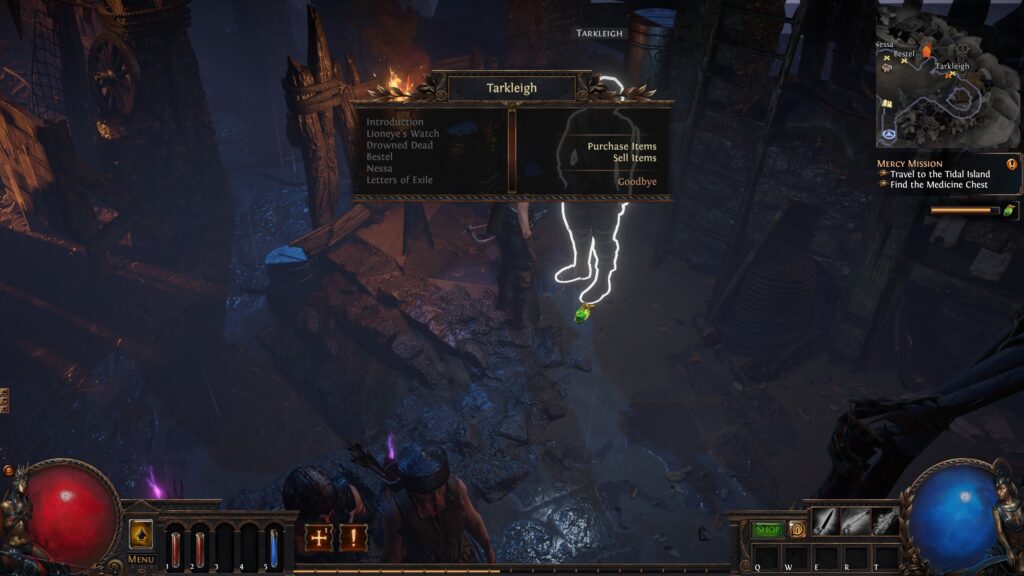
Path of Exile Two disrupts this predictability by redistributing power across systems and emphasizing interaction over raw output. Players attempting to reuse old logic encounter friction, as builds fail to scale or survive as expected. This friction is intentional, designed to dismantle assumptions rather than punish experimentation. Understanding this shift is the first step toward effective relearning.
Uncertainty as a Design Feature
Relearning build planning introduces uncertainty that can feel uncomfortable. Without established meta paths, players must evaluate decisions through experience rather than precedent. This uncertainty slows progression initially but deepens comprehension.
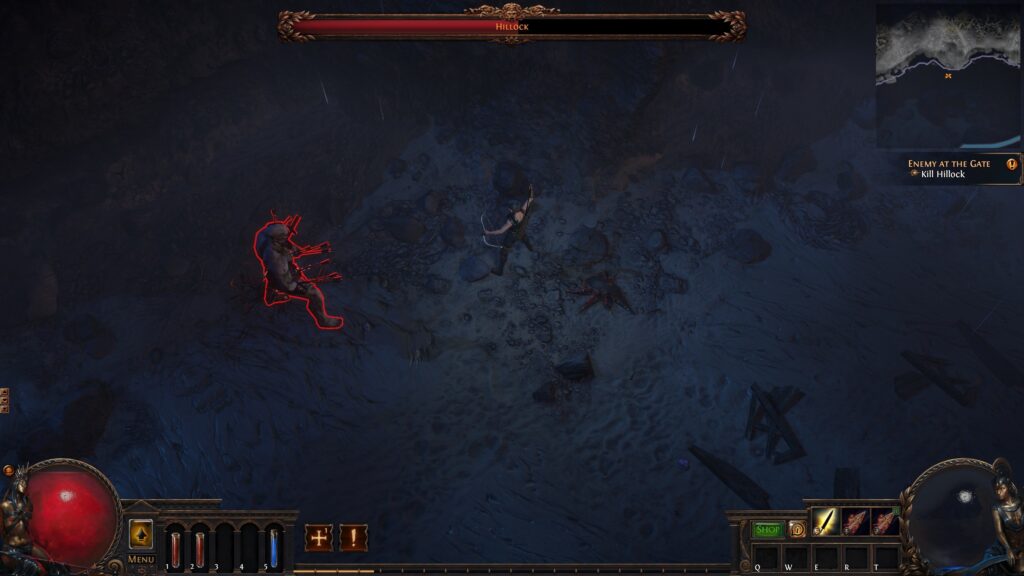
Each choice becomes an experiment, teaching how systems interact under pressure. Rather than following optimized paths, players build intuition through trial, error, and adjustment. This process transforms planning into discovery rather than replication, aligning with the game’s broader emphasis on intentional play.
Shifting Focus From Output to Function
Build planning in the new era prioritizes function over peak output. Survivability, control, and adaptability matter as much as damage. Players must consider how builds behave across varied encounters, not just ideal scenarios. This functional approach rewards balanced thinking and discourages extremes. Planning becomes holistic, integrating offense, defense, and utility as interdependent elements rather than separate layers. This shift challenges players to think in systems rather than numbers.
Key Adjustments Required When Relearning Build Planning
Successful adaptation to the new era involves several fundamental adjustments in how players approach planning.
| Old Habit | New Adjustment | Resulting Benefit |
|---|---|---|
| Chasing peak damage early | Building layered stability | Consistent progression |
| Following established templates | Experimenting iteratively | Deeper system understanding |
| Fixing weaknesses late | Planning balance from the start | Fewer midgame collapses |
These adjustments help players rebuild confidence within an unfamiliar but rewarding framework.
Growth Through Relearning
Relearning build planning can be frustrating, but it often leads to renewed engagement. Players rediscover the satisfaction of problem-solving, adapting strategies organically rather than executing predetermined plans. This growth fosters resilience and curiosity, traits that sustain long-term enjoyment. By embracing relearning as part of the experience, players reconnect with the creative core of the game.
Conclusion
Relearning build planning from scratch defines the transition into a new Path of Exile era.
By abandoning outdated frameworks and embracing uncertainty, players unlock deeper understanding and more meaningful progression. In this evolving landscape, mastery is not inherited from the past—it is rebuilt through intention and discovery.