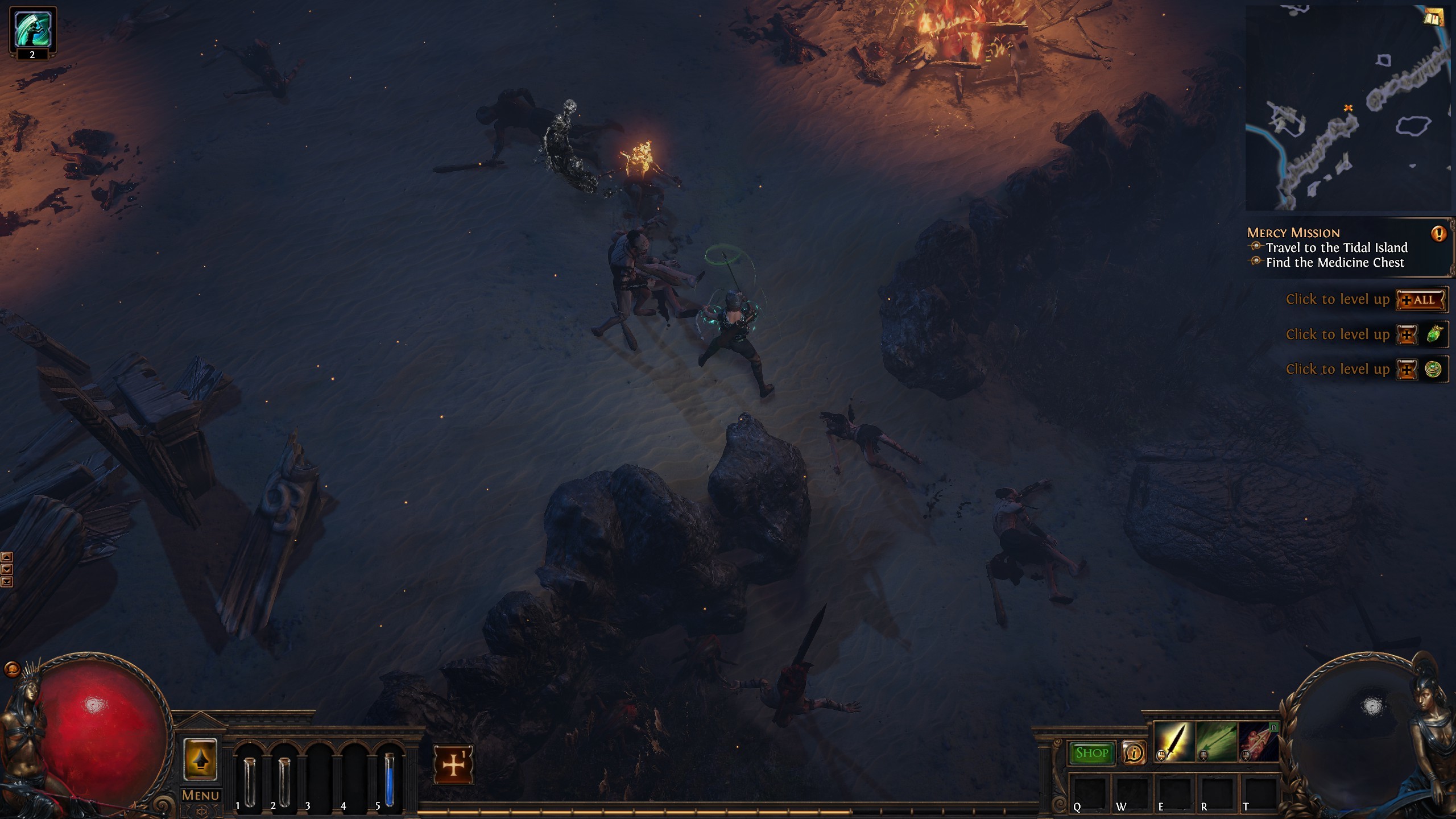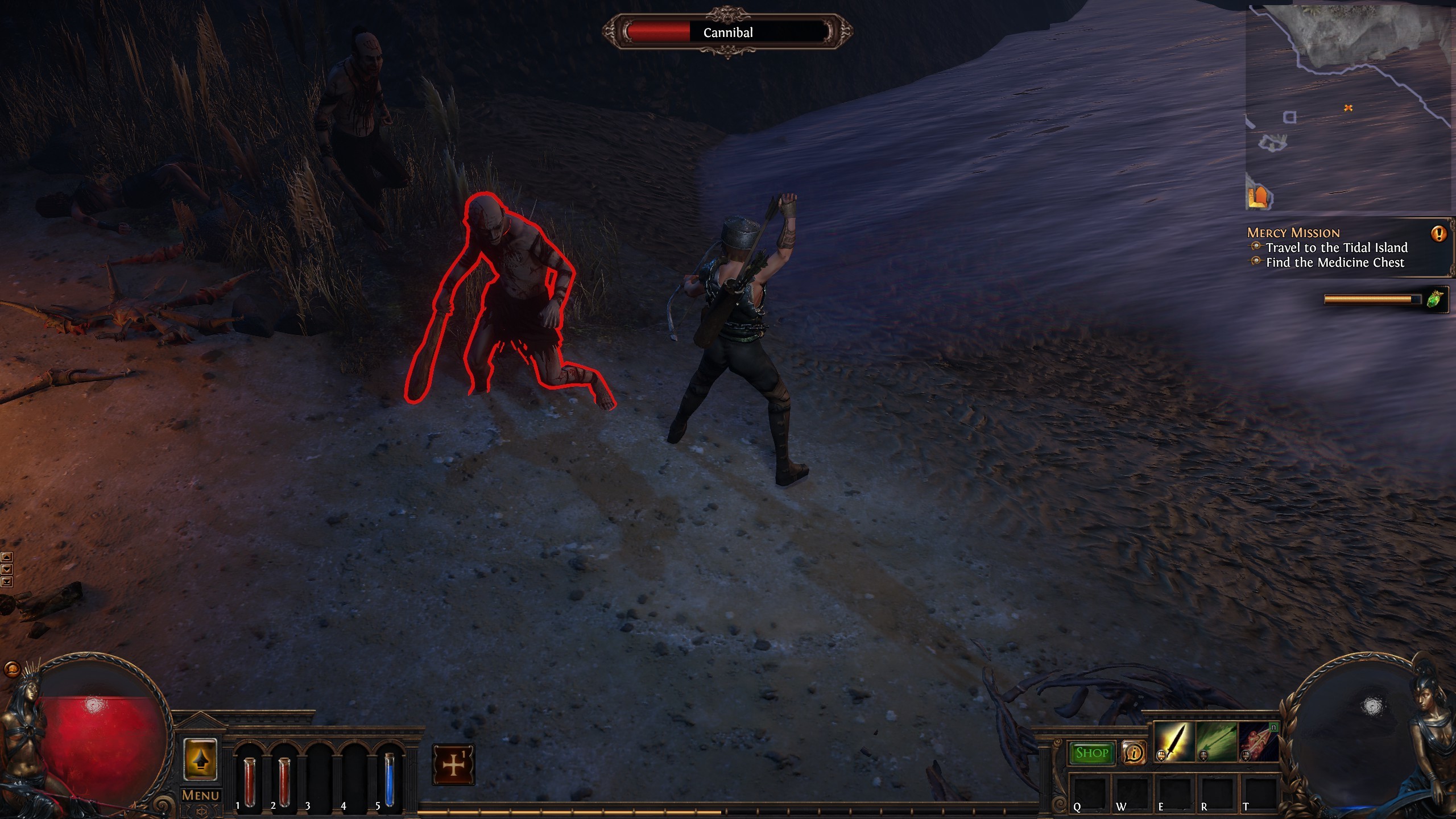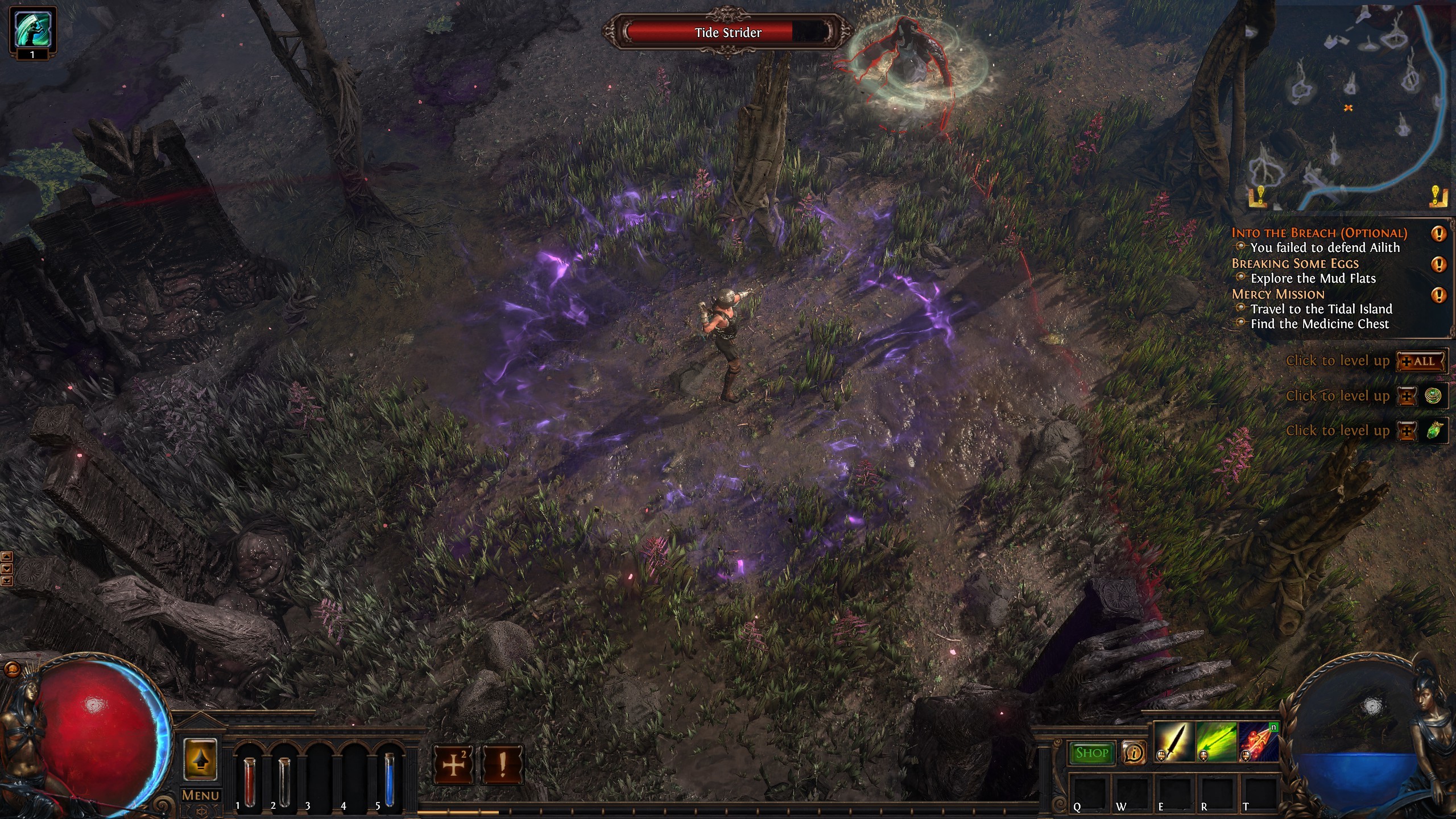
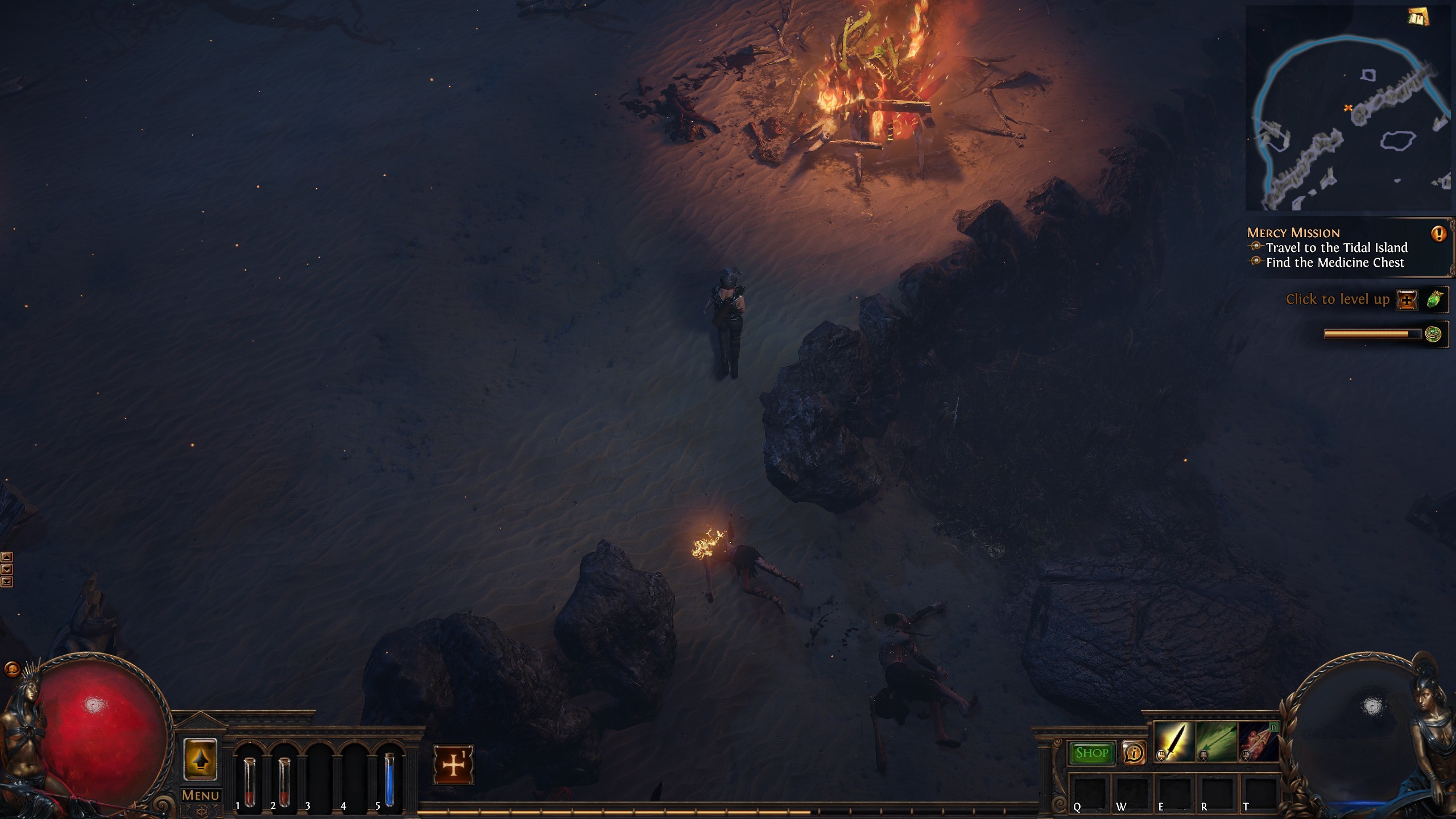
Early Access for arrives with a unique tension between excitement and restraint. Players step into a game that promises a new era of systems, pacing, and combat philosophy, while also understanding that this version is unfinished by design.
Expectations, however, are rarely neutral. Years of anticipation amplify every rough edge, making patience a defining trait rather than a passive virtue. Early Access demands a mindset that balances curiosity with tolerance, recognizing that participation is as much about observation and feedback as it is about progression. How players manage these expectations directly shapes their enjoyment and long-term relationship with the game.
Why Expectations Run High Before Launch
Expectations surrounding Early Access are shaped long before players log in. Trailers, developer talks, and community discussion construct mental images of what the game should feel like.
When players finally enter, they subconsciously measure reality against these internal benchmarks. Any deviation, whether missing features or rough balance, feels amplified. This reaction is not irrational; it reflects emotional investment built over time. However, Early Access is not a promise of polish, but an invitation into an evolving process. The mismatch between expectation and intent often becomes the root of frustration.
Patience as an Active Skill
Patience during Early Access is not passive waiting, but an active skill that requires reframing experiences. Players must interpret incomplete systems as snapshots rather than conclusions. Balance issues, pacing inconsistencies, and missing features are signals of direction, not final judgment.
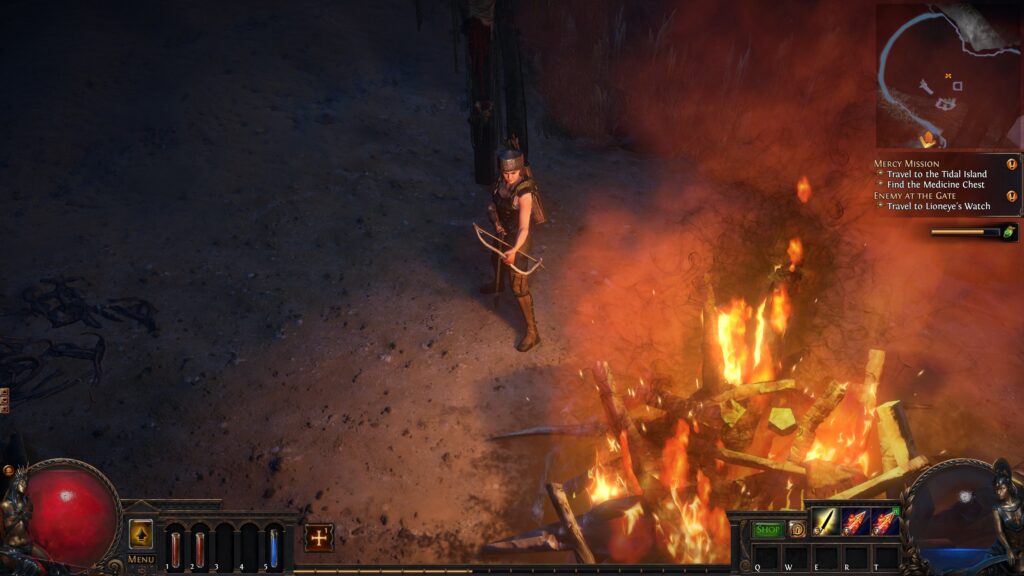
This perspective allows players to engage constructively, focusing on learning systems and understanding design intent. Without this reframing, every imperfection feels like a failure instead of a work in progress. Patience becomes a tool for clarity rather than resignation.
How Impatience Distorts Feedback
Impatience often converts curiosity into criticism prematurely. Players encountering friction may interpret it as poor design rather than deliberate experimentation. This distortion affects not only personal enjoyment but also the quality of community discussion. When feedback is driven by frustration rather than understanding, it loses usefulness. Early Access thrives on informed observation, where players articulate what feels unclear, inconsistent, or promising. Patience enables this clarity, transforming reactions into insights rather than complaints.
Healthy Expectations for an Early Access Experience
Players who navigate Early Access successfully tend to align their expectations with the nature of the process itself.
- Viewing balance changes as exploratory rather than corrective
- Accepting missing features as placeholders, not omissions
- Focusing on system direction instead of short-term efficiency
- Engaging with feedback discussions thoughtfully rather than emotionally
These expectations allow players to remain engaged without burning out on uncertainty.
Long-Term Benefits of Patient Engagement
Players who approach Early Access with patience often gain deeper understanding of the game’s foundations. They adapt more easily to changes, feel less disrupted by balance shifts, and maintain curiosity instead of frustration.
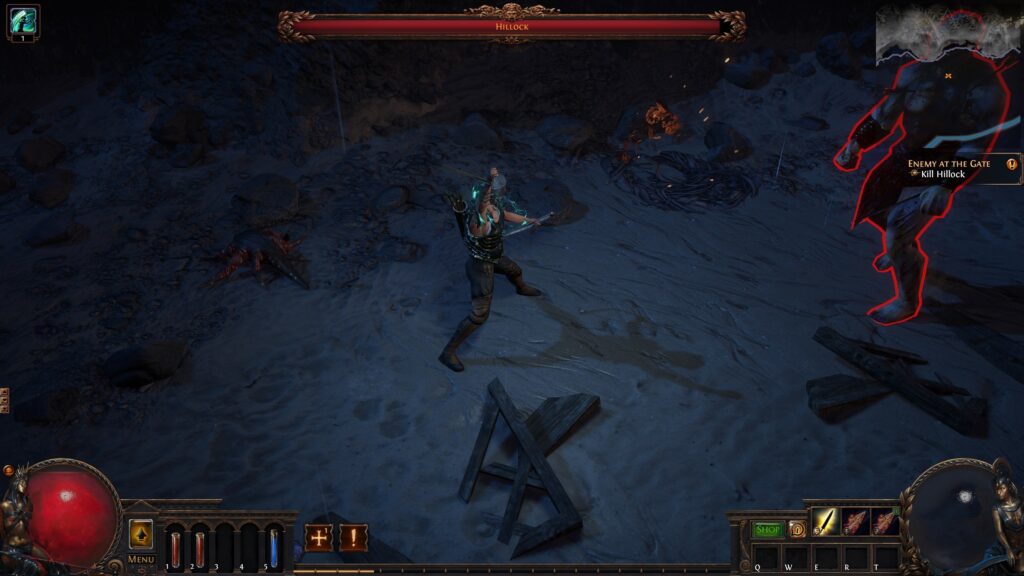
This mindset builds resilience that carries into full release, where rapid iteration continues. Patience transforms Early Access from a test of tolerance into a period of learning and anticipation.
Conclusion
Early Access expectations shape the Path of Exile Two experience as much as mechanics themselves.
Players who cultivate patience engage more meaningfully, interpret changes more accurately, and preserve enjoyment over time. In an evolving game, patience is not about waiting for perfection, but about understanding progress as it unfolds.