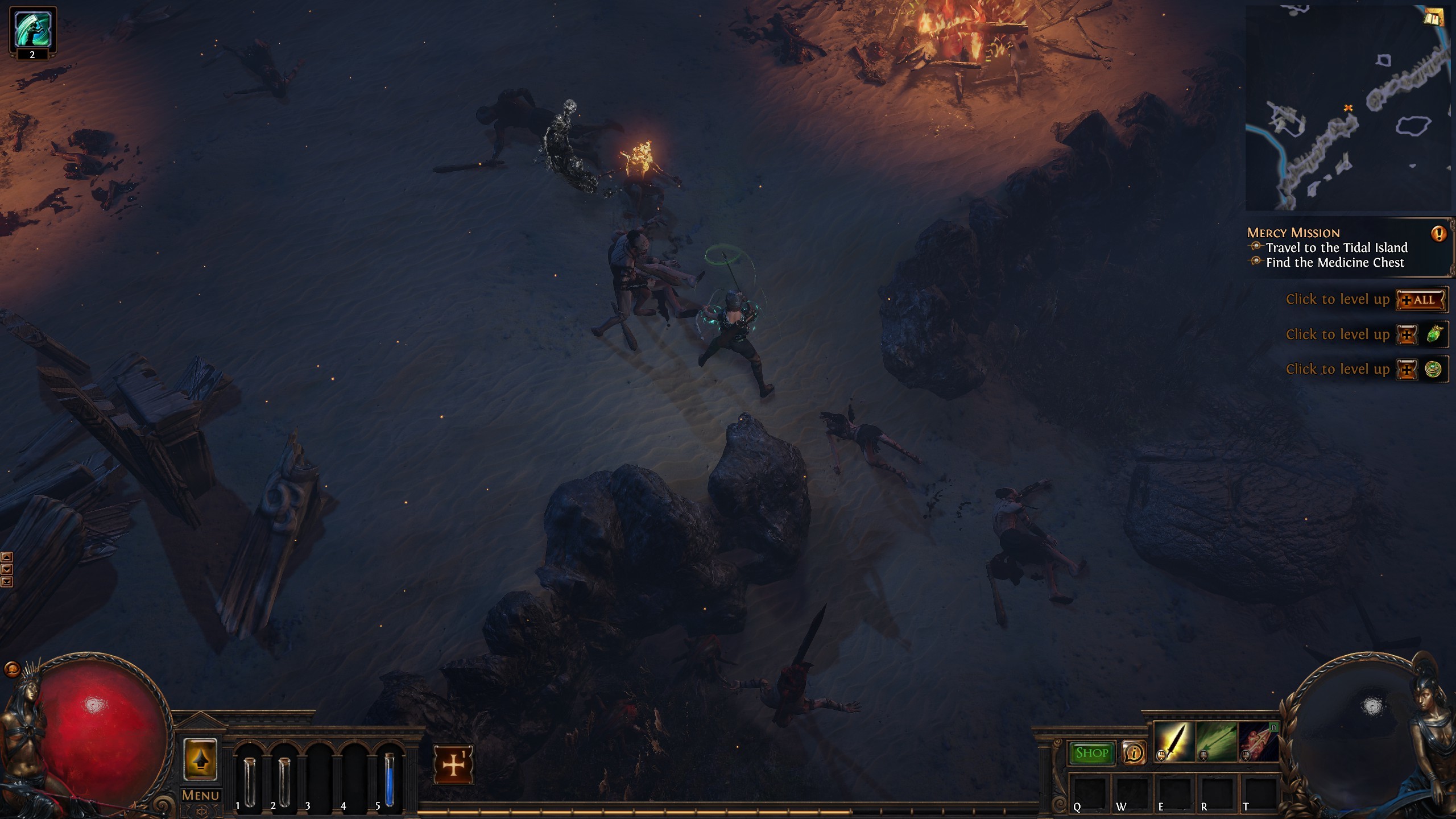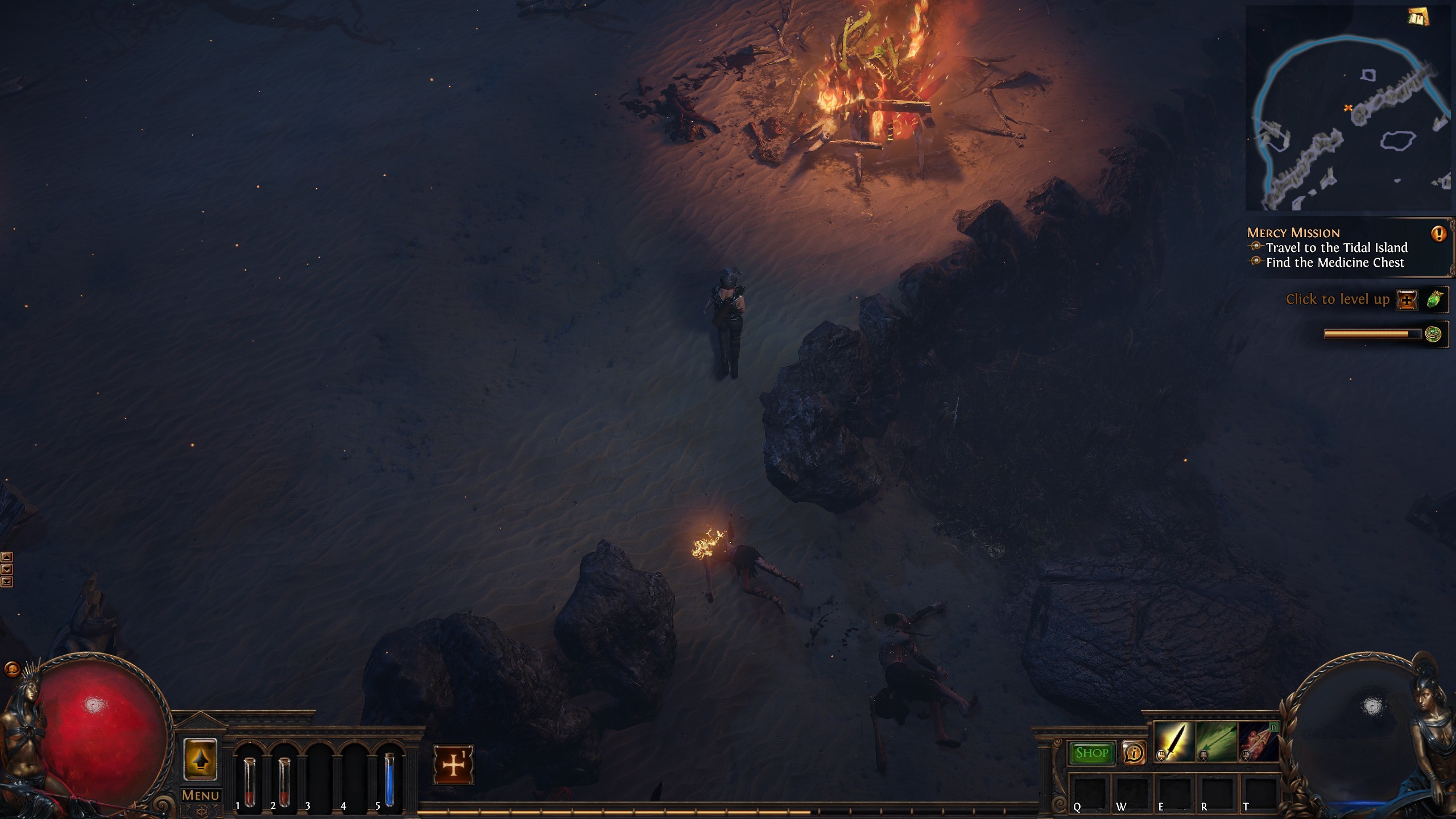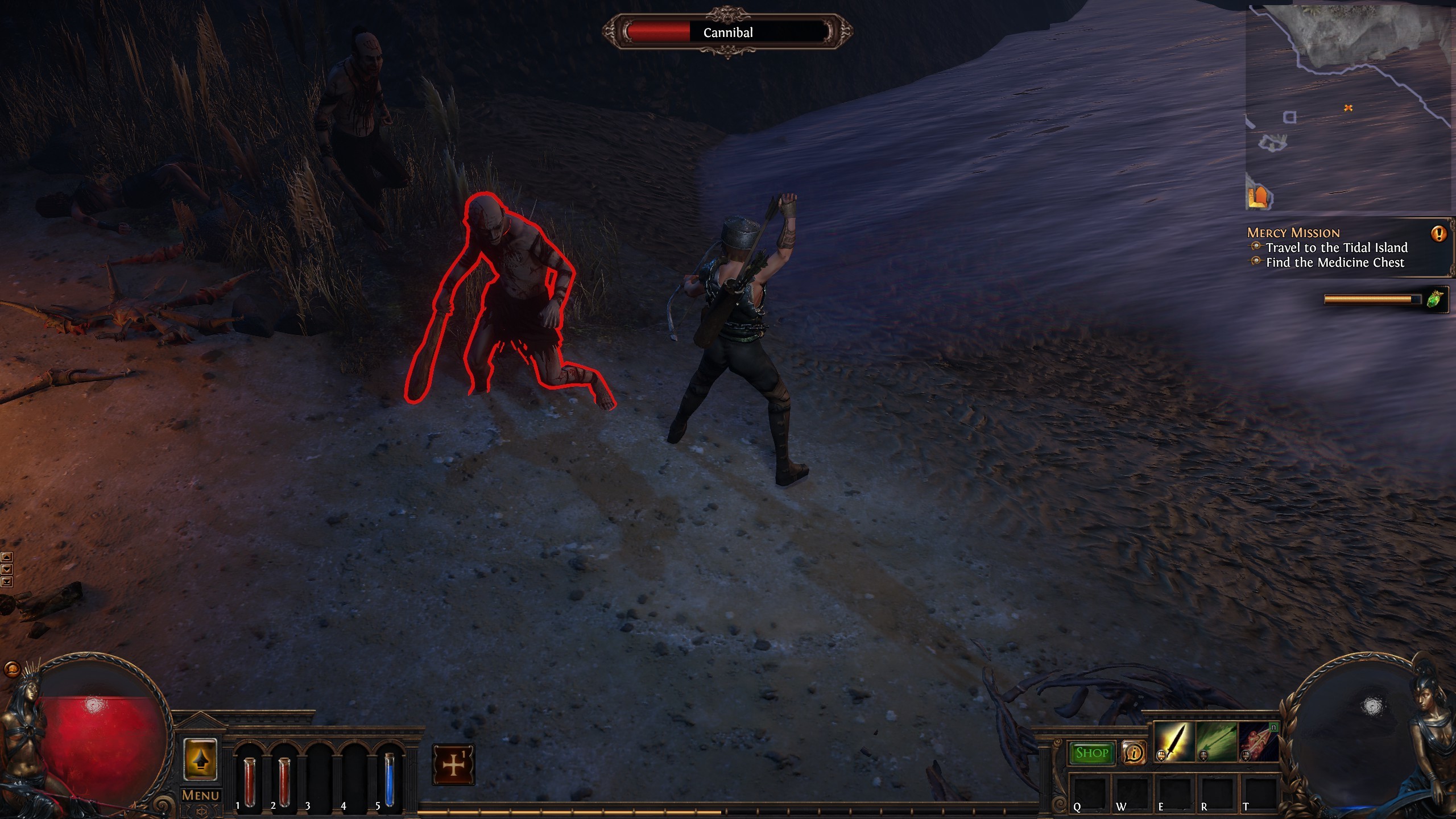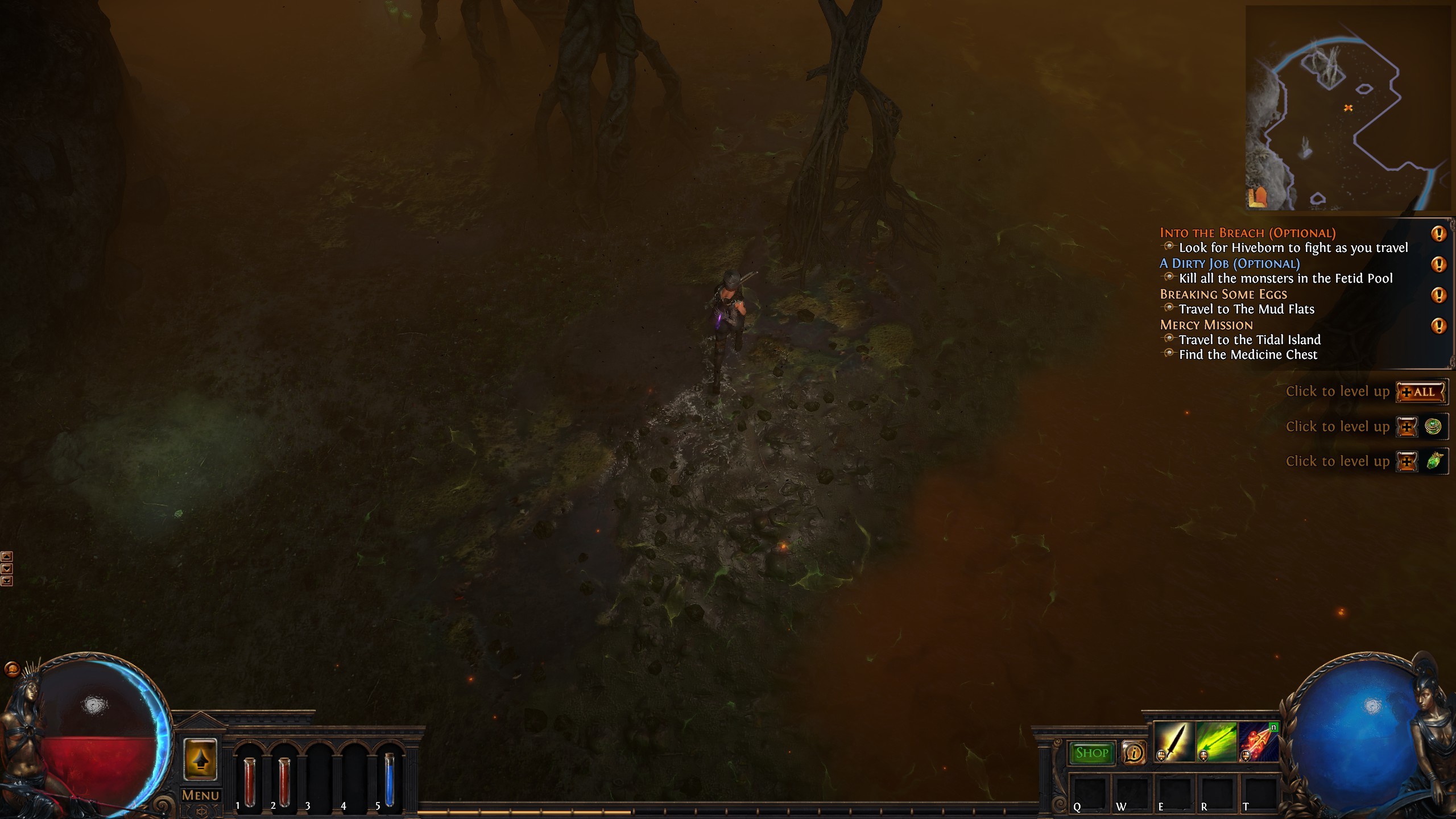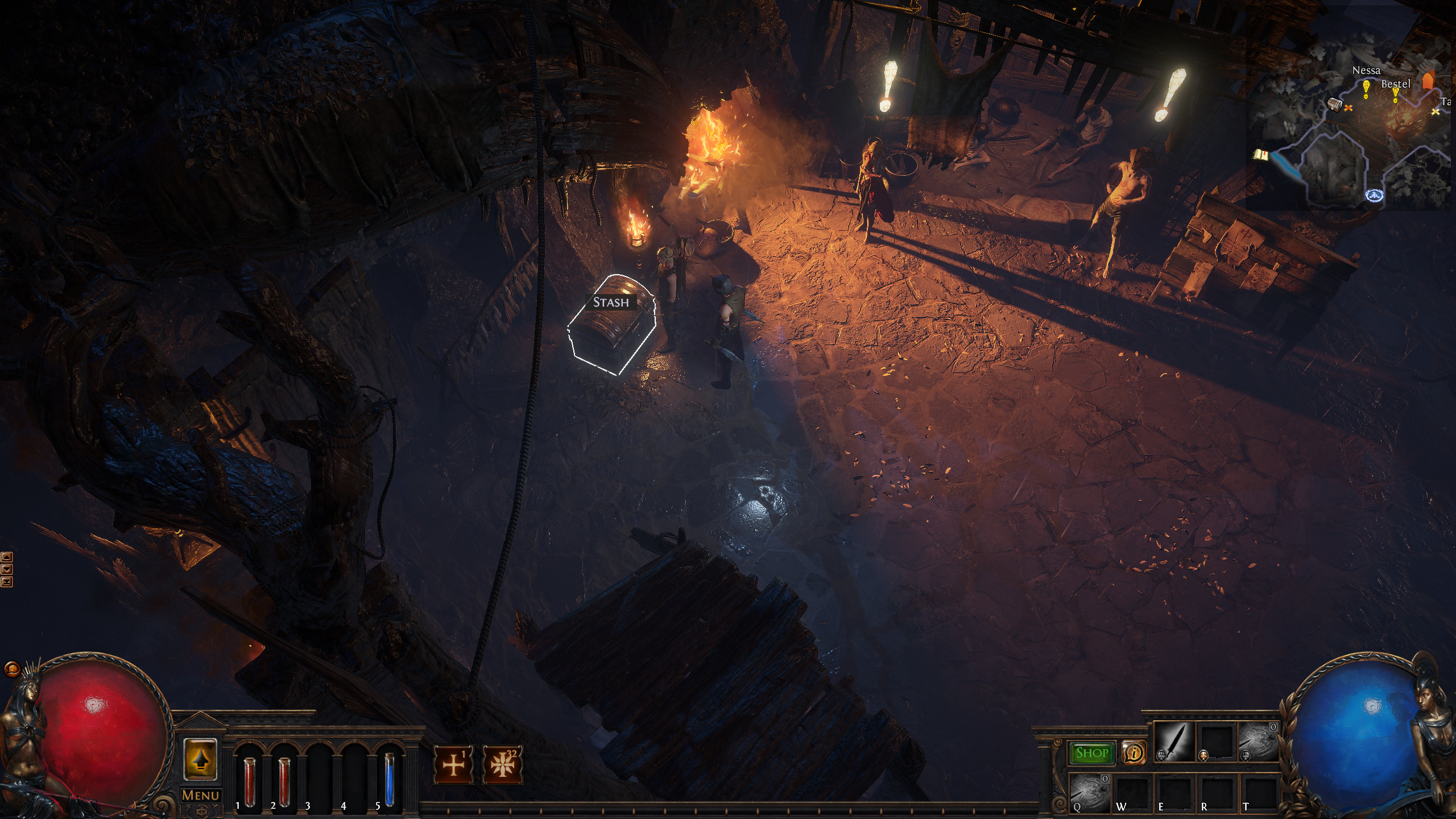
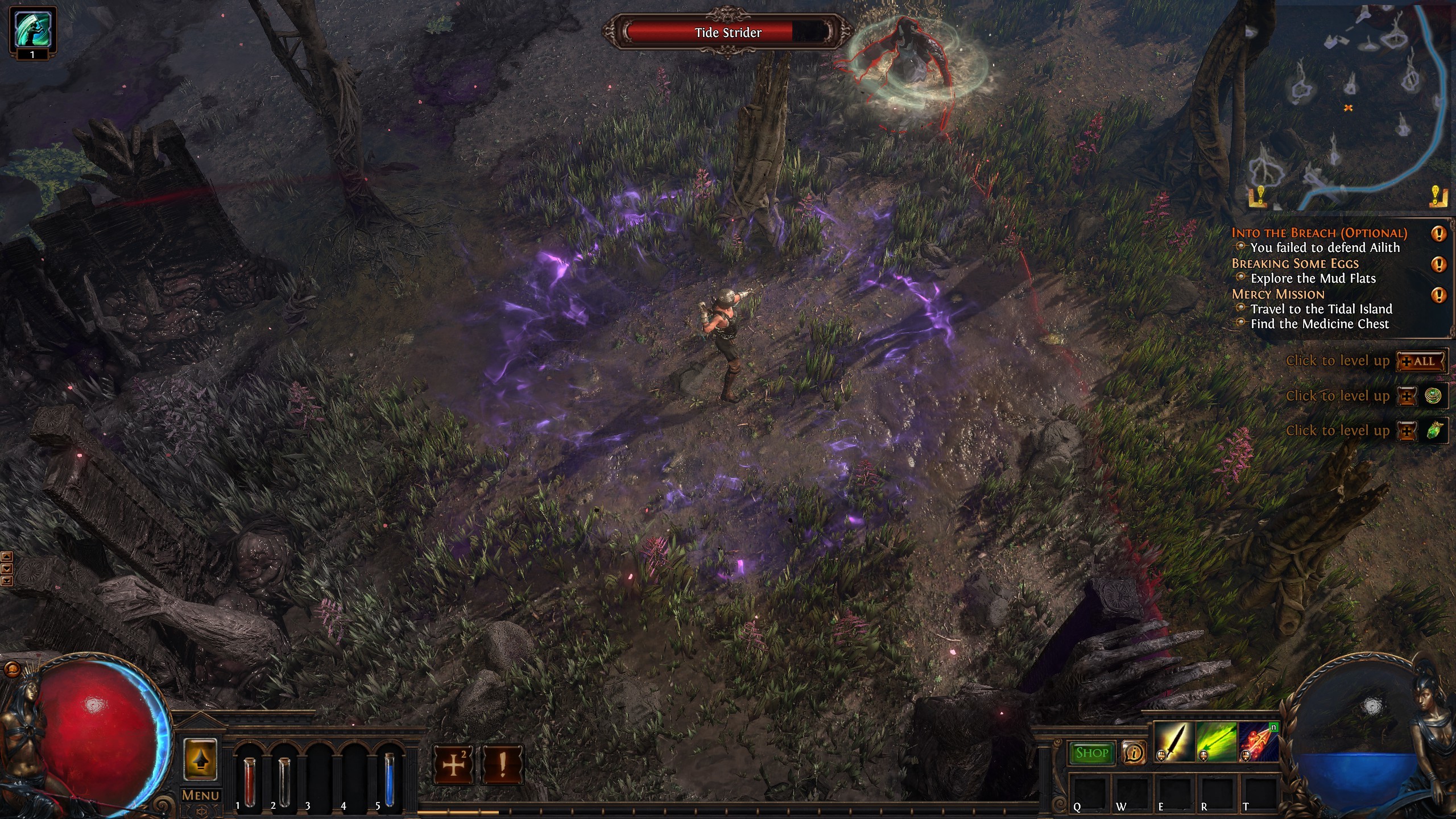
Speculation around the endgame direction of PoE is driven as much by what has been shown as by what has been intentionally left unanswered. Unlike traditional sequels that replace systems wholesale, this game appears to reframe endgame as a continuation of its core combat philosophy rather than a separate optimization playground.
The long-term vision seems focused on sustained engagement through understanding, adaptability, and mastery instead of raw repetition. This shift invites players to imagine an endgame that evolves through layered challenges, meaningful choices, and persistent learning, rather than one defined solely by numerical escalation.
Moving Away From Pure Escalation
Historically, endgame progression in action RPGs often centers on escalating numbers, faster clears, and higher difficulty tiers. Path of Exile Two appears to question this approach by emphasizing control, positioning, and survivability as core requirements.
Speculation suggests that endgame content will test consistency and decision-making more than peak output. This would reduce reliance on extreme scaling and encourage sustainable builds capable of handling prolonged pressure. Such a direction aligns with the broader combat philosophy already visible, where mastery is demonstrated through composure rather than excess.
Systems Designed to Evolve Over Time
A long-term endgame vision likely depends on systems that can evolve without invalidating player investment. Rather than resetting progression constantly, Path of Exile Two seems positioned to layer new challenges onto existing frameworks.
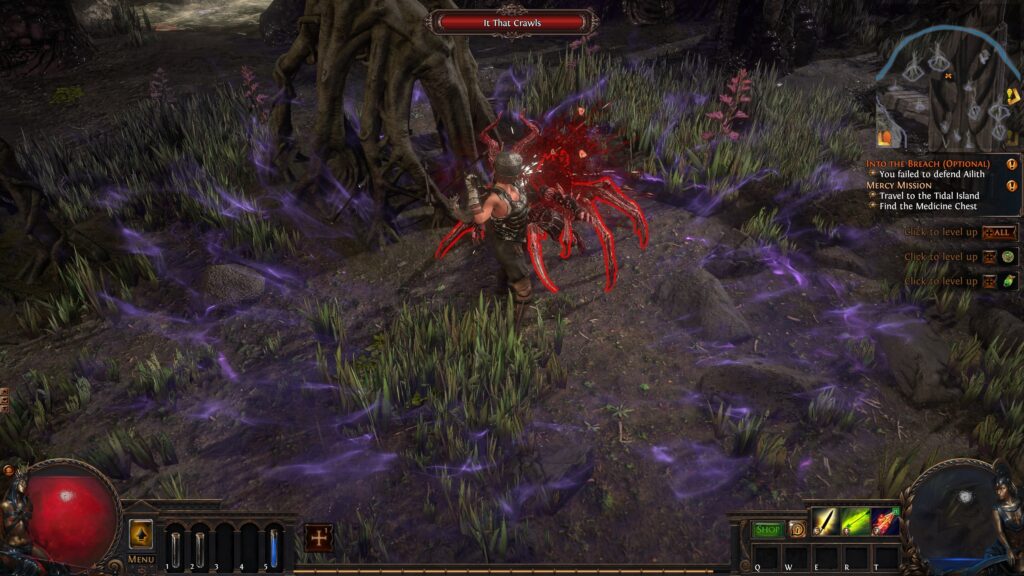
This approach allows players to carry forward understanding and skill while adapting to fresh constraints. Speculation points toward modular endgame content that changes emphasis rather than scale, keeping encounters engaging without relying on constant power inflation. Such systems reward learning and retention, strengthening long-term attachment.
Player Agency as the Core Pillar
Another defining aspect of the projected endgame vision is agency. Instead of funneling players into a single optimal path, the game appears to encourage intentional direction-setting. Endgame choices may determine pacing, challenge type, and engagement style, allowing players to shape their experience meaningfully. This agency reduces burnout by aligning progression with preference rather than obligation. Speculation suggests an endgame where players decide not only how far to push, but how they want to push.
Key Principles Likely Guiding Endgame Design
While details remain unconfirmed, several principles appear consistently aligned with the game’s revealed direction.
- Endgame challenges emphasizing consistency over burst power
- Systems that reward understanding rather than repetition
- Progression paths shaped by player intent and preference
- Long-term engagement through evolving constraints instead of resets
These principles suggest an endgame built for longevity rather than spectacle alone.
Why This Vision Requires Patience
A long-term endgame vision unfolds gradually, especially during Early Access. Players accustomed to immediate clarity may find ambiguity uncomfortable. However, this uncertainty allows systems to mature organically. Speculation becomes part of engagement, inviting players to interpret direction rather than consume finalized answers. Patience enables players to adapt alongside the game, fostering deeper understanding and investment.
Conclusion
Endgame direction speculation for Path of Exile Two points toward a future defined by intention, adaptability, and sustained mastery. Rather than chasing infinite escalation, the game appears focused on meaningful long-term engagement.
If realized, this vision would redefine endgame not as an endpoint, but as an evolving space for deliberate play.