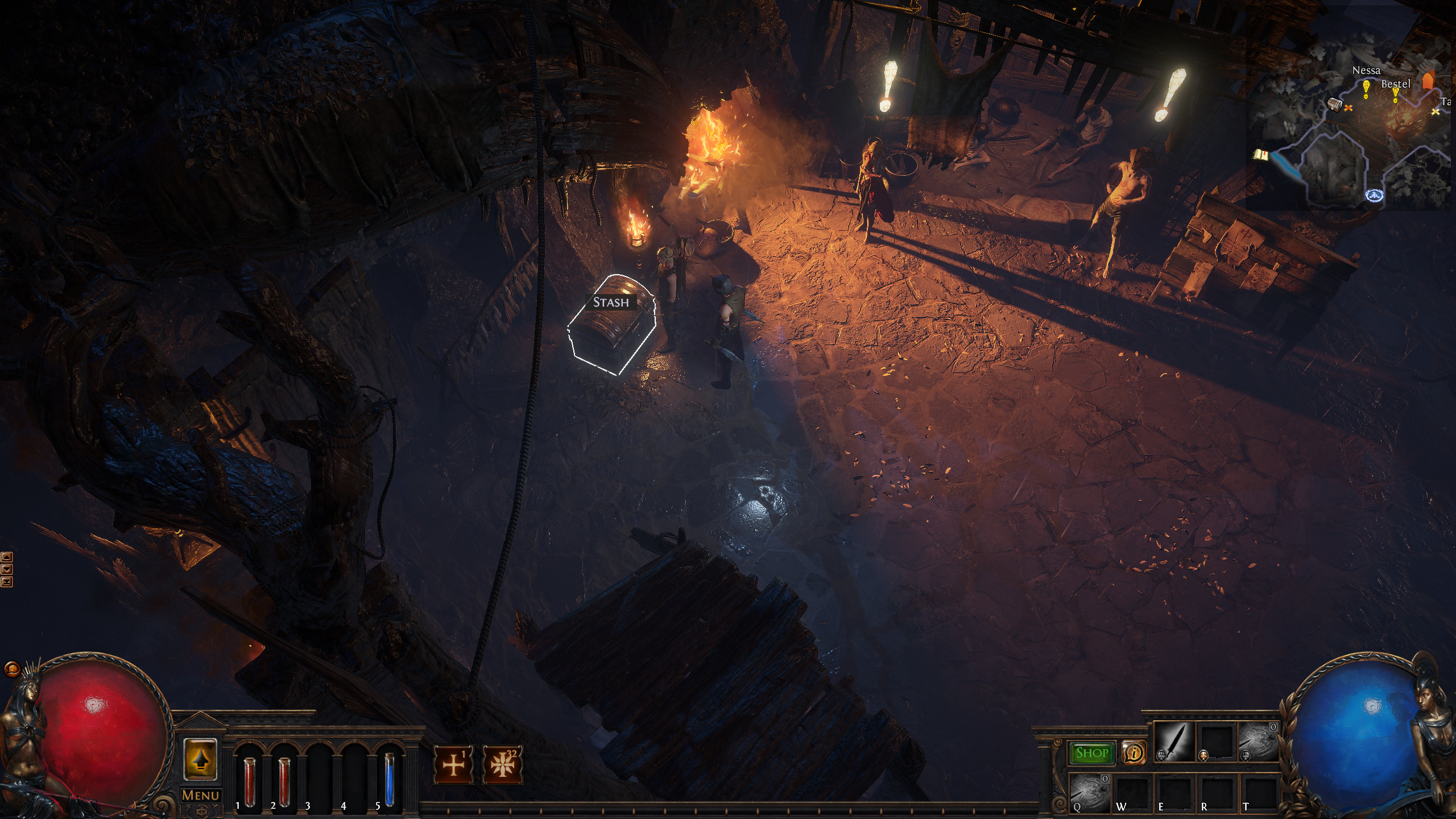
In Path of Exile, mastering the economy is almost as important as mastering your build. The economy isn’t just about loot drops — it’s a complicated, player‑driven system where currency items double as crafting tools and trade tokens. If you ignore how the economy works, you’ll miss out on huge opportunities for profit, faster progression, and better gear. This article guides you through how to flip items, understand market dynamics, and maximize your profits in Path of Exile’s unique trading ecosystem.
How Path of Exile’s Currency System Underpins the Market
Unlike most ARPGs that rely on a gold or coin system, Path of Exile uses “currency items” — orbs and other special items that have both crafting utility and trade value. Examples include the Chaos Orb and Exalted Orb. Each of these has intrinsic value because they do something in‑game (e.g., reroll affixes, add modifiers) and are also used in player‑to‑player trades. :contentReference[oaicite:3]{index=3}
This dual‑purpose design means the economy has built‑in sinks and value. Because currency items are useful themselves, they resist inflation in a way that simple “gold coin” systems do not. The trading system is entirely player‑driven — there is no universal auction house where the game sets prices. Rather, players negotiate, set prices, and create the market. :contentReference[oaicite:4]{index=4}
Flipping Items: How to Buy Low, Sell High
Flipping means purchasing items (or currency) that are undervalued relative to their potential, then selling them when demand rises or when you find a buyer willing to pay more. Because Path of Exile’s market is decentralized, this requires understanding which items are in demand, monitoring supply, and acting when you spot value. According to player‑experiences, successful flippers treat the market like a trading desk rather than a casual gameplay option. :contentReference[oaicite:5]{index=5}
Here’s how you can approach flipping in Path of Exile:
- Identify undervalued items: For example, rares with strong affixes that are listed for cheap because the seller didn’t realize their build potential.
- Act early in the league: When a new league begins, markets are “soft” and many items are mis‑priced — that’s your opportunity.
- Monitor currency ratios: Know the current value in “Chaos Orb equivalents” or “Exalted Orb equivalents” so you don’t buy something for too high a price.
- Be patient: Some flips take time — you may hold an item while demand grows or a patch shifts the meta.
Market Trends and Crafting Influence on Value
Item value in Path of Exile isn’t static. It shifts due to several factors: patch changes, league mechanics, popular builds, crafting meta, and supply fluctuations. For instance, if a patch buffs a certain skill or item, demand for items that support that build may spike. So staying aware of the meta is important.
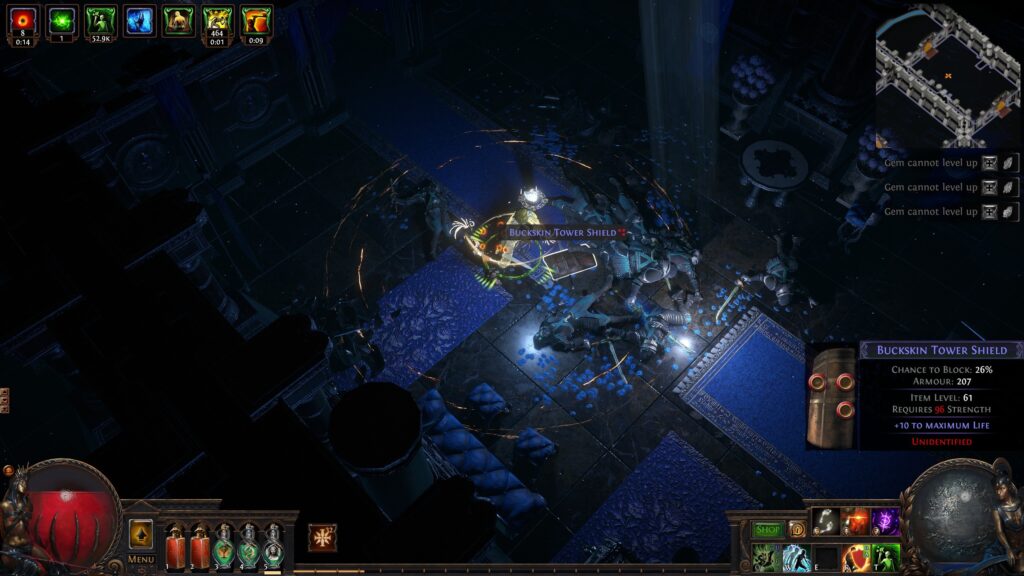
Crafting also plays a massive role. Because currency items are used to upgrade gear, an item’s “craft potential” adds value. If you buy an item that can be upgraded with particular currency for a strong mod set, you’re essentially banking on the buyer’s willingness to invest future currency into it. Understanding which mods are popular, which uniques are trending, and which craft‑paths are efficient will give you an edge.
Risk Management: Avoiding Common Pitfalls
Flipping in Path of Exile is profitable, but it carries risk. The market is volatile and skills/builds that were popular may drop out of fashion, reducing demand. Some mistakes to avoid:
- Buying items you don’t understand — if you don’t know the build potential, you’re speculating blind.
- Investing high‑value currency into mediocre gear — e.g., using an Exalted Orb on an item that doesn’t have high demand.
- Failing to track currency conversion ratios — you might overpay because you didn’t notice a shift.
Successful traders act both like analysts and investors: they study trends, hold assets when needed, and sell when timing is optimal.
Conclusion: Integrating Economy Mastery into Your Game
Whether you’re farming maps, crafting your build, or trading with other players, understanding the economy in Path of Exile will elevate your experience and reward you with more powerful gear and faster progression. Flipping items isn’t just a side‑activity — it’s a strategic layer of the game that can offer substantial return for your effort.
Spend time learning item values, currency functions, and build trends. Treat the market seriously, and you’ll find that you’re not just playing the game but mastering one of its core systems. By doing so, you’ll be one step ahead of many players who overlook how deeply the economy is woven into the fabric of Path of Exile.